Ayurveda is an ancient Indian system of medicine that focuses on holistic health and well-being by balancing the mind, body, and spirit. Central to this is the concept of doshas—PITTA, KAPHA, VITA—three energetic forces that govern bodily functions. Imbalances in these doshas are believed to cause health issues, and Ayurveda aims to restore harmony through lifestyle practices and natural therapies. The term Ayurveda translates to “knowledge of life,” reflecting its emphasis on restoring balance through natural remedies.

Core Principles:

  • Holistic Approach: Ayurveda views health as a state of balance among the mind, body, and spirit, considering all aspects of a person’s life. 
  • Doshas: The three doshas (Vata, Pitta, and Kapha) are the fundamental energies that govern bodily functions and personality traits. 

  • Balance and Harmony: Maintaining equilibrium among the doshas is crucial for health and well-being. 
  • Five Elements: Ayurveda believes that the universe, including the human body, is composed of five elements: space, air, fire, water, and earth. 

Fire & Water = PITTA ( Responsible for Transformation)

PITTA

PITTA dosha often has a balanced medium size body type with a combination of dry and oily skin, sharp features, colored eyes and straight hair, hot in temperature phsycally and mentally. Red or blonde hair, freckled skin and a strong decisive mind are all easy signs of PITTA Leadership is a natural quality for PITTA and it’s always ready for a challenge or adventure.

Abhyanga Massage for Pitta:

The nature of PITTA dosha is hot, light, sharp, oil, fluid and mobile and has an effect on the digestive system, body temperature and metabolism and on the skin and complexion.

People with the PITTA dosha constitution should balance that hot nature with cooling oils such as sunflower, coconut or olive oil. The room should be warm to allow the pores to open but not hot. Gentle circular motion strokes will work best. Pay attention to the liver and spleen areas along with head and eyes. Adding cooling essential oils such as peppermint, sandalwood, lavender, chamomile and rose will also be beneficial. Aim to do this 3 to 4 times a week.

PITTA Balancing Remedies⬇️

Water & Earth = KAPHA (Responsible for Structure and Lubrication)

KAPHA

KAPHA is strong, heavy and slow when it comes to body and mind. Large body frame, thick wavy hair, oily or damp skin, large features and a compassionate heart. Long lasting memory, strong faith and loyalty are good signs of KAPHA along with stability and grounding. KAPHA brings a natural desire for routine, comfort and family. KAPHA types are wonderful story tellers!

Abhyanga Massage for Kapha:

The KAPHA nature is slow, moist, heavy, smooth, cool, oily and steady and it is associated with stability, lubrication and structure of the mind and body. Use drying oils such as mustard, sunflower and safflower as they are light. Adding essential oils such as eucalyptus, sage, cinnamon and basil will be beneficial. Massage with a lighter touch with rapid strokes as KAPHA has a heavy element. A warm room and warm oils will be good but KAPHA does not require vast amounts of oil. Focus on areas such as the lungs, joints and stomach to stimulate and revive them. One to two times a week is enough for this dosha type.

KAPHA Balancing Remedies⬇️

Space & Air = VATA: (Responsible for Movement)

VATA

VATA contributes to a thin body frame, light in weight, long bones or small in size, fine curly hair, small, thin or irregular features and tends to have dry or rough skin. Mentally, it brings a natural connection to the space element resulting in creativity and sensitivity. The air element brings the mobility and quickness in action and thought. VATA loves to explore!

Abhyanga Massage for VATA:

The nature of this dosha is light, cold and dry and governs the movements of our body and functions such as the flow of blood and the elimination of waste. It further has an impact on our thoughts, breathing, nervous system and joint movements.

For those with VATA as their predominant dosha it is recommended that abhyanga (massage) be done 4-5 times a week using grounding oils such as sesame or almond or abhya oil and such VATA balancing oil. Adding essential oils such as jasmine, lavender, cinnamon and frankincense will be helpful. A lot of oil should be used to counter vata’s dry nature. Use heavy long strokes on the limbs making sure they are smooth and fluid. Special attention should be paid to areas of the body such as the colon, chest and pelvis. Once done allow the oil to seep into the skin. Enjoy a warm bath or shower to truly feel the benefits of the self-massage.

Vata Balancing Remedies ⬇️

Abhyanga Massage for all Doshas:

Abhyanga is suitable for all dosha types and if you want to treat more than one dosha type at a time you can use a mix of the oils such as jojoba oil, herbs and essential oils. Seek the guidance of an ayurvedic practitioner or do your research for the best combinations to suit your requirements. Practicing abhyanga (massages) promotes circulation, relieves toxins, nourishes the body, improves digestion, promotes healthy skin and revitalises the body and mind.

  • Diet and Nutrition: Ayurveda emphasizes personalized diets based on an individual’s dosha type and promotes healthy eating habits. 
  • Herbal Remedies: Ayurvedic medicine utilizes a wide range of herbs and natural substances to support healing and balance. 
  • Lifestyle Practices: Yoga, meditation, massage, and other lifestyle practices are integral to Ayurveda for promoting physical and mental well-being. 
  • Panchakarma: This is a detoxification and rejuvenation process that involves a series of therapies aimed at eliminating toxins and restoring balance. 

Ayurveda Offers a Comprehensive Approach to Health and Wellness:

  • Promoting Prevention: Ayurveda emphasizes proactive measures to maintain health and prevent illness. 
  • Addressing the root cause of illness: Ayurveda seeks to identify and correct imbalances that contribute to disease. 
  • Utilizing natural therapies: Ayurveda relies on natural remedies and lifestyle adjustments to support the body’s healing processes. 
  • Fostering individual well-being: Ayurveda recognizes the unique needs of each individual and tailors treatments accordingly. 
xr:d:DAFSMVl-2gk:4,j:41252599704,t:22111709

Ayurvedic Food Charts

RECIPES


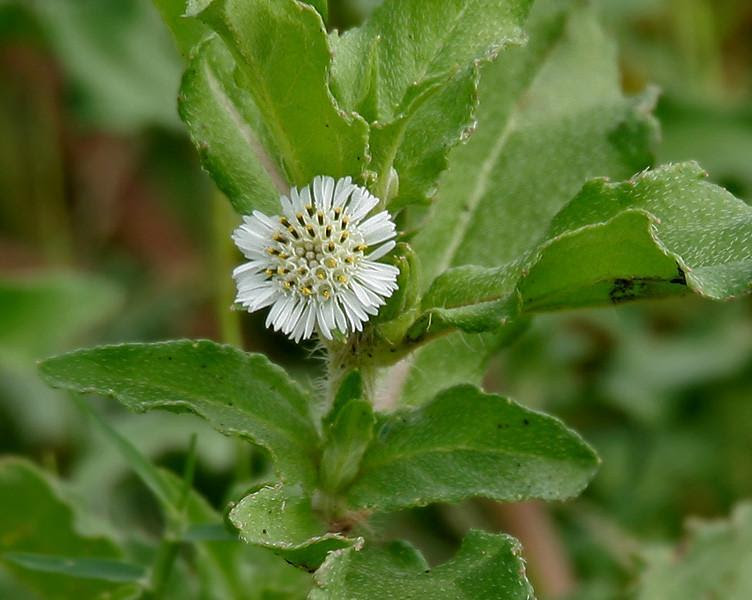
🌿 Bhringraj

Ayurveda’s beloved hair herb (Promotes Hair Growth, Calms Pitta)

Bhringraj has a long tradition of use in Ayurvedic hair care and is available in both oil and powder forms.

Massage the oil into your scalp and turn hair care into a nourishing weekly ritual.

CLICK ON PHOTO TO FIND OUT MORE

To learn more about the Ayurvedic lifestyle and its benefits, connect with Kaely Bell, a certified Ayurvedic practitioner.