
Breathwork encompasses a variety of techniques focused on consciously controlling breathing patterns to influence physical, mental, and emotional states. It has roots in ancient practices like Pranayama and Qigong and has gained popularity for its potential to reduce stress, improve focus, and promote overall well-being.

Pranayama (Sanskrit: प्राणायाम, “Prāṇāyāma”) is the yogic practice of focusing on breath. In classical yoga, the breath is associated with prana, thus, pranayama is a means to elevate the prana-shakti, or life energies.
Qigong breathing, also known as abdominal breathing or Dan Tian breathing, is a technique that focuses on deep, slow, and even breaths, often involving the lower abdomen. It’s a core component of Qigong practice, aiming to cultivate and harmonize vital energy (Qi) for improved health and well-being.


Understanding Breathwork
Breathwork is trendy right now, but it’s not new. People have been practicing breathwork for thousands of years, and it has roots in yoga practice. The basic idea of breathwork is to release toxins and stress when you breathe out and nourish your mind and body when you breathe in.
Benefits of breathwork. Research on breathwork is promising. Potential health benefits of breathwork include:
- Alkalizing your blood PH
- Anti-inflammatory effect
- Elevating your mood
Breathwork may also have a positive impact on your central nervous system. When you feel stressed, your breath tends to become fast and shallow. This limits the oxygen entering your bloodstream. Your brain tells your body that there is a threat, and your body responds in fight or flight.


BREATHING TECHNIQUES

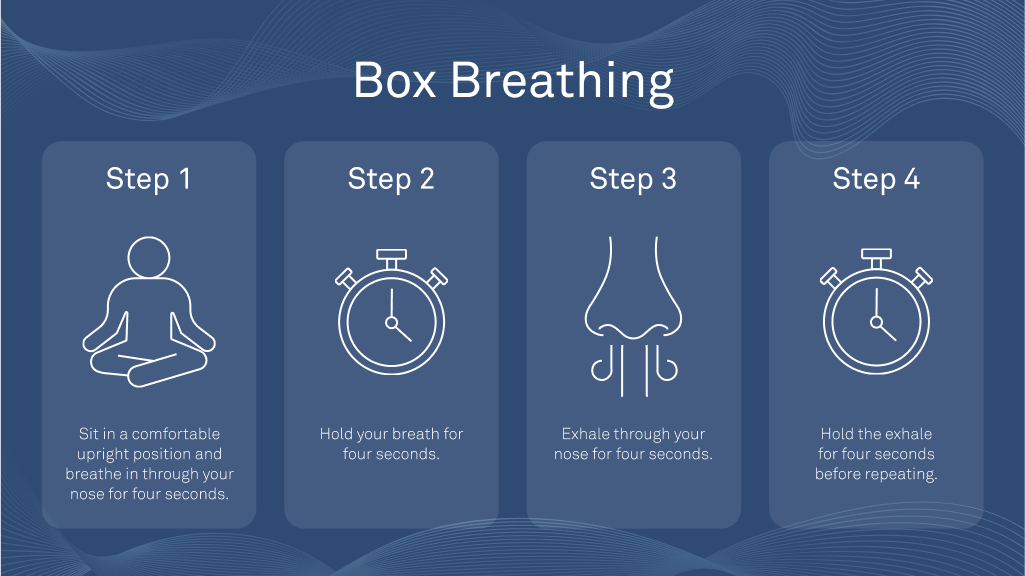


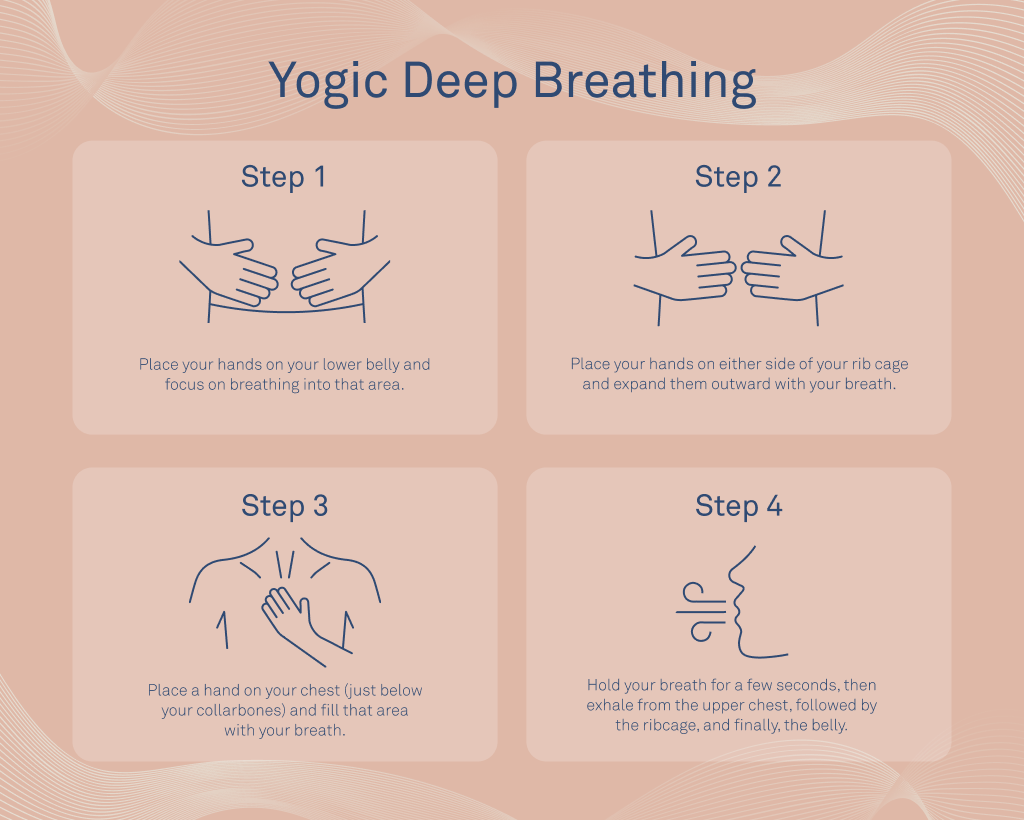


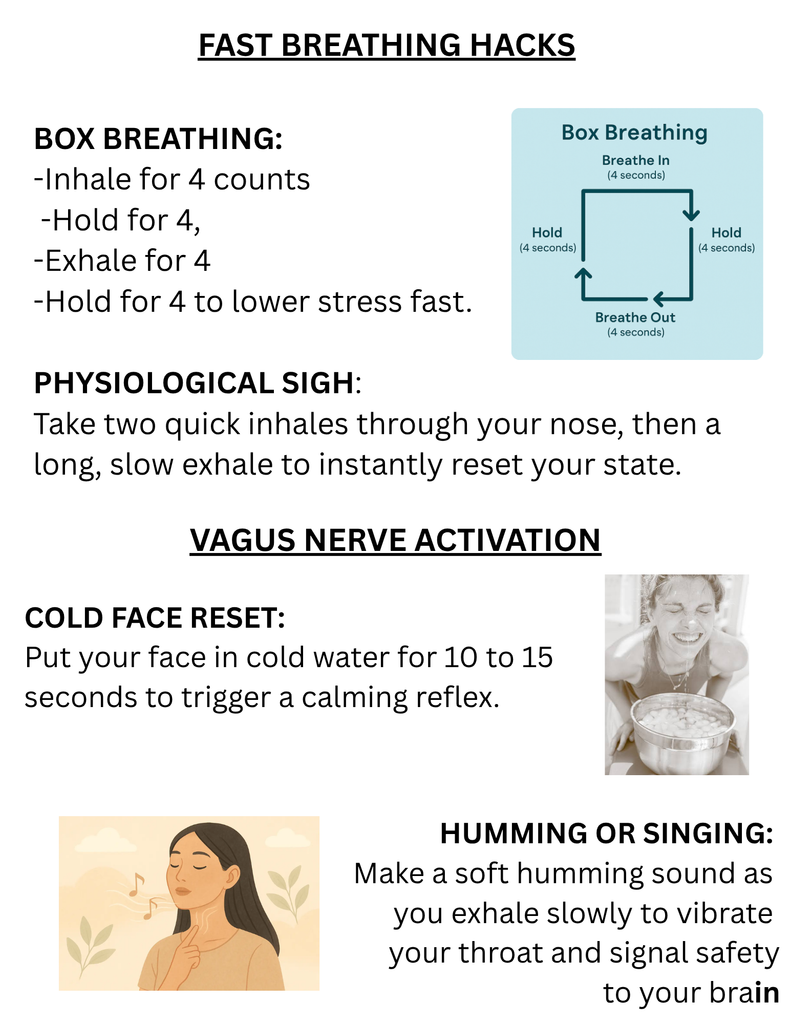

How to Incorporate a Breathwork Practice into your Daily Routine
Now that you understand the importance of breathwork, you’ll want to find ways to easily incorporate it into your daily routine. Here are some tips to help you easily begin a breathwork practice and start feeling the benefits:
- Schedule a time(s): Plan one or more specific times a day when you want to do your breathing exercises. This will help you establish a commitment.
- Start small: Begin your practice with the easiest techniques and breathe for only 2 to 5 minutes per session. You can increase the length of your sessions as you progress.
- Set a reminder: It’s easy to forget to do new things, so set a reminder in your calendar for each of your sessions to help you remember.
- Take a break: If you’re struggling to get through the exercises or are losing motivation, get up and take a break to do something else. Then come back and finish when you’re ready.
- Change it up: Try a variety of exercises to keep things exciting and find what works best for you.
Do what you can; life can get hectic. If you miss a breathwork session, it’s okay to stop and do a quick, simple exercise whenever you remember. This will still count as practicing and help you achieve the many breathwork benefits.
