

What in the Ayurveda?
Ayurveda is an ancient Indian system of medicine that focuses on holistic health and well-being by balancing the mind, body, and spirit. Central to this is the concept of doshas—PITTA, KAPHA, VITA—three energetic forces that govern bodily functions. Imbalances in these doshas are believed to cause health issues, and Ayurveda aims to restore harmony through lifestyle practices and natural therapies. The term Ayurveda translates to “knowledge of life,” reflecting its emphasis on restoring balance through natural remedies.


Core Principles:
- Holistic Approach: Ayurveda views health as a state of balance among the mind, body, and spirit, considering all aspects of a person’s life.
- Doshas: The three doshas (Vata, Pitta, and Kapha) are the fundamental energies that govern bodily functions and personality traits.

- Balance and Harmony: Maintaining equilibrium among the doshas is crucial for health and well-being.
- Five Elements: Ayurveda believes that the universe, including the human body, is composed of five elements: space, air, fire, water, and earth.
LEARN MORE ⬇️


AYUREVDIC PRACTICES
- Diet and Nutrition: Ayurveda emphasizes personalized diets based on an individual’s dosha type and promotes healthy eating habits.
- Herbal Remedies: Ayurvedic medicine utilizes a wide range of herbs and natural substances to support healing and balance.
- Lifestyle Practices: Yoga, meditation, massage, and other lifestyle practices are integral to Ayurveda for promoting physical and mental well-being.
- Panchakarma: This is a detoxification and rejuvenation process that involves a series of therapies aimed at eliminating toxins and restoring balance.
Ayurveda Offers a Comprehensive Approach to Health and Wellness:
- Promoting Prevention: Ayurveda emphasizes proactive measures to maintain health and prevent illness.
- Addressing the root cause of illness: Ayurveda seeks to identify and correct imbalances that contribute to disease.
- Utilizing natural therapies: Ayurveda relies on natural remedies and lifestyle adjustments to support the body’s healing processes.
- Fostering individual well-being: Ayurveda recognizes the unique needs of each individual and tailors treatments accordingly.
Ayurvedic Food Charts



RECIPES
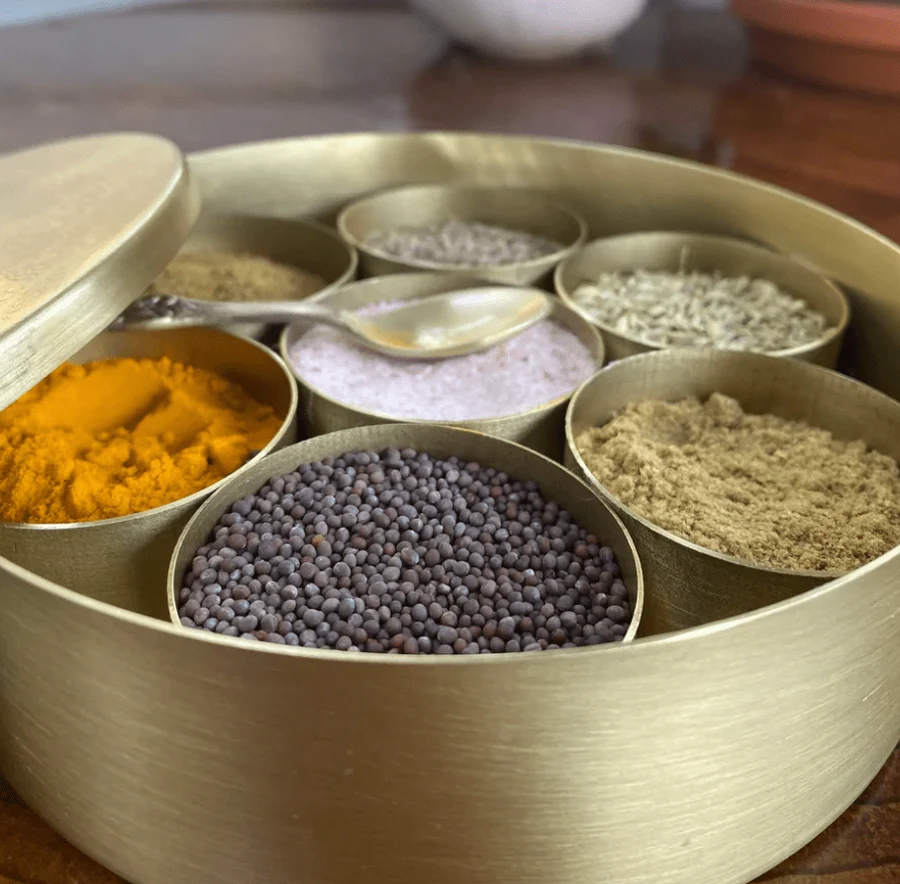
AYURVEDIC PRODUCTS


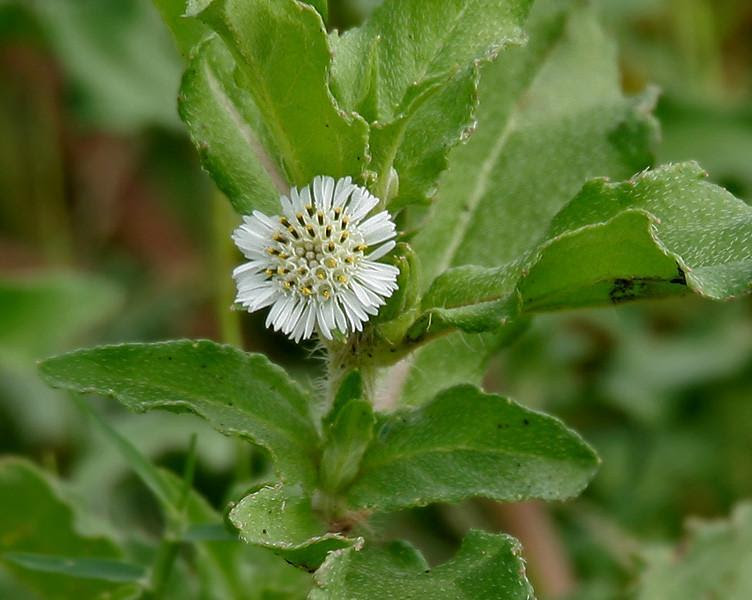
 Bhringraj
Ayurveda’s beloved hair herb (Promotes Hair Growth, Calms Pitta)
Bhringraj has a long tradition of use in Ayurvedic hair care and is available in both oil and powder forms.
Massage the oil into your scalp and turn hair care into a nourishing weekly ritual.
CLICK ON PHOTO TO FIND OUT MORE

AYURVEDIC PRACTIONER
To learn more about the Ayurvedic lifestyle and its benefits, connect with Kaely Bell, a certified Ayurvedic practitioner.


